

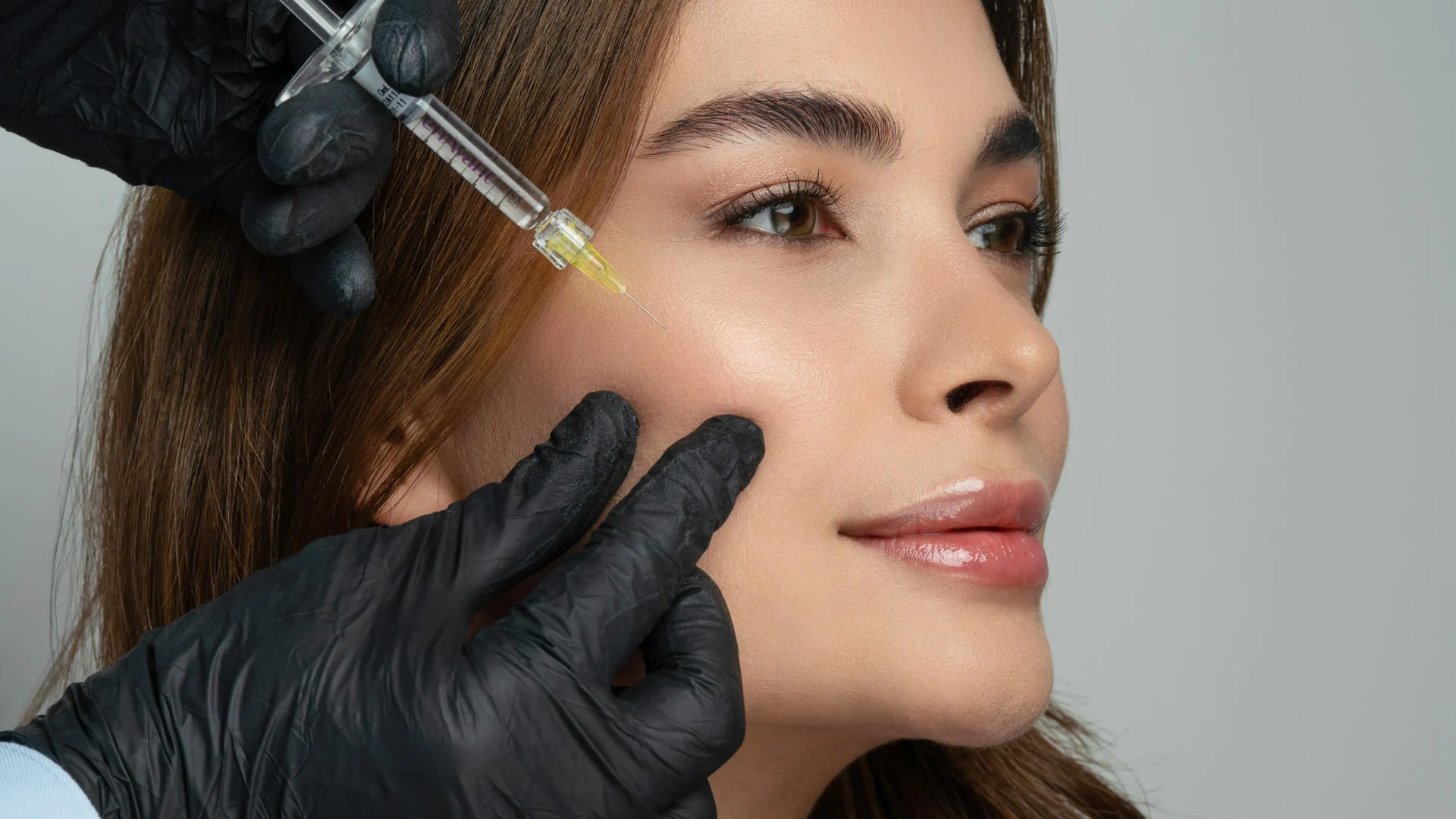
Chronic grinding and clenching, known as bruxism, puts enormous force on your teeth and jaw muscles. Over time it can lead to worn or cracked teeth, sore jaw muscles, tension headaches, and disrupted sleep. For appropriate patients, therapeutic Botox offers a targeted way to calm the overactive muscles that drive this cycle.
Used therapeutically for bruxism, small amounts of Botox are placed into the large chewing muscles that drive clenching and grinding, the masseters at the angle of the jaw and, when indicated, the temporalis muscles at the temples. The medication gently reduces the intensity of these muscles’ contractions, so you clench and grind with less force, without interfering with normal speaking, chewing, or facial expression. The result for many patients is less jaw soreness and fewer tension headaches, and a meaningful reduction in the destructive forces that crack and wear teeth, which protects both natural teeth and dental work.
The treatment itself is quick and performed right in our office. After identifying the correct muscles, Dr. Leong administers a few small injections, a process that takes only minutes. There is no downtime, and most patients return to their normal activities immediately. Improvement typically begins within about 10 to 14 days, with the full effect at roughly three to four weeks, and results generally last about three months, at which point the treatment can be repeated to maintain relief.
It is important to understand that this is a therapeutic treatment aimed at bruxism and jaw muscle overactivity, not a cosmetic wrinkle service. Botox for bruxism often works best as part of a broader plan, which may include a night guard from your general dentist and, when tooth damage has already occurred, endodontic care such as cracked tooth treatment. A night guard and Botox solve different parts of the problem, so the two are often used together. We will review your history and goals to determine whether it is an appropriate option for you.
This page is for general education and is not a substitute for an in-person examination. An evaluation confirms whether botox for bruxism is right for your situation.
Benefits
- Relaxes overactive jaw muscles that grind and clench
- Can reduce jaw soreness and tension headaches
- Helps protect teeth and dental work from grinding forces
- Quick in-office treatment with no downtime
- Complements a night guard and other protective care
What happens during treatment
-
Evaluation
We review your symptoms, grinding history, and goals to confirm therapeutic Botox is appropriate.
-
Targeted injections
A few small injections are placed in the chewing muscles in a matter of minutes.
-
Gradual relief
Improvement typically begins within 10 to 14 days, peaks at about three to four weeks, and generally lasts around three months before treatment can be repeated.
What to expect at your visit
After identifying the right muscles, we administer a few quick injections. There is no downtime, and you can return to your day immediately. Relief develops over the following days.
Is this right for you?
This treatment may help patients with diagnosed or evident bruxism, jaw muscle soreness, or clenching-related tension headaches, particularly alongside a protective night guard. It is a therapeutic, not cosmetic, service, and we confirm suitability first.
Cost & insurance
Therapeutic Botox for bruxism is typically not covered by dental insurance, and results and duration vary by individual. We review candidacy, costs, and expectations with you before treatment. This is a therapeutic treatment for jaw muscle overactivity, not a cosmetic wrinkle service.
For details on coverage and payment options, see insurance & financing, and if this is your first visit, our new patient guide walks through exactly what to expect.
We provide botox for bruxism to patients across San Francisco’s west side, including West Portal, Balboa Terrace, and Ingleside. See all the areas we serve.